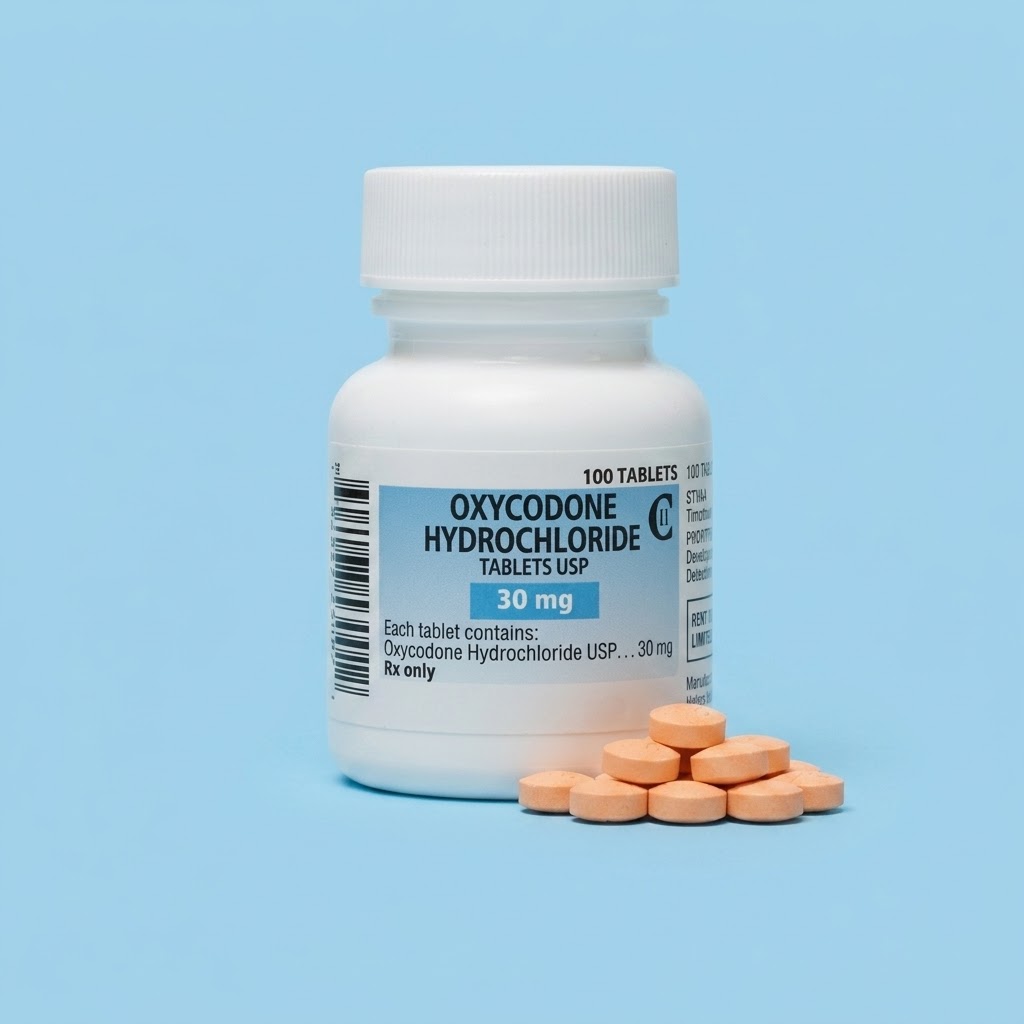
Buy Oxycodone 30mg Online
Price range: $399.00 through $1,099.00
- 💊 Secure open pills packaging for safe and discreet delivery
- 🚚 Fast US-to-US shipping available
- ⏱️ 24-hour tracking updates for all orders
- 🌙 Overnight delivery option available in selected areas
- ⭐ 100% guaranteed quality, or get your refund
Introduction to Oxycodone 30mg
Oxycodone 30mg is a high-strength opioid analgesic prescribed for the management of severe and persistent pain that does not respond adequately to non-opioid medications or lower-dose opioid treatments. It belongs to a class of drugs known as opioid agonists, which act directly on the central nervous system to reduce the perception of pain and improve patient comfort in medically appropriate situations. This strength is typically reserved for individuals who have already developed a tolerance to opioid medications, as using such a high dose without prior exposure can significantly increase the risk of serious side effects, including respiratory depression and overdose.
The use of oxycodone in modern medicine has been both beneficial and controversial due to its effectiveness in pain management and its potential for misuse, dependence, and addiction. Because of these risks, oxycodone is classified as a controlled substance in many countries and is only available through a licensed healthcare provider under strict medical supervision.
Medical Uses of Oxycodone 30mg
Oxycodone 30mg is prescribed in clinical settings where pain is intense, chronic, or debilitating, and where other treatment options have failed to provide sufficient relief. It is not considered a first-line treatment and is generally introduced after careful evaluation by a healthcare professional.
Common conditions treated include:
- Severe post-operative pain following major surgical procedures
- Chronic musculoskeletal pain such as advanced arthritis or spinal disorders
- Cancer-related pain requiring long-term opioid therapy
- Injury-related pain from trauma or fractures
- Pain associated with nerve damage in select cases
The decision to prescribe this dosage is based on the patient’s opioid tolerance, overall health, and risk factors, ensuring that the benefits outweigh the potential risks.
How Oxycodone Works in the Body
Oxycodone exerts its effects by binding to opioid receptors, primarily the mu-opioid receptors located in the brain and spinal cord. These receptors are part of a complex system responsible for regulating pain, reward, and emotional responses.
Once oxycodone attaches to these receptors, it interrupts the transmission of pain signals between the body and the brain. In addition to blocking pain perception, it also alters the emotional interpretation of pain, making it feel less distressing. This dual mechanism is what makes oxycodone particularly effective in managing severe pain conditions.
However, the activation of these receptors also leads to other effects such as sedation, euphoria, and respiratory depression, which contribute to both its therapeutic benefits and its risks.
Dosage and Administration Guidelines
The dosage of oxycodone must always be individualized based on the patient’s medical condition, level of pain, previous opioid exposure, and response to treatment. The 30mg dose is considered a high-strength option and is generally prescribed only to opioid-tolerant patients.
General considerations for dosage include:
Patients who are new to opioids are typically started on much lower doses, such as 5mg or 10mg, to assess tolerance and minimize risks. Those who have been using opioids regularly may be transitioned to higher doses like 30mg under medical supervision.
Immediate-release formulations are usually taken every four to six hours as needed for pain, while extended-release versions are taken less frequently and provide sustained pain control over a longer period.
Important administration instructions:
Oxycodone tablets should be swallowed whole with water and should not be crushed, chewed, or broken, especially in extended-release forms, as this can release a potentially dangerous amount of the drug at once. Patients should strictly follow their prescription instructions and avoid adjusting the dose without consulting their healthcare provider.
Benefits in Pain Management
When prescribed and used appropriately, oxycodone 30mg can provide significant relief for patients suffering from severe pain conditions. It can improve overall quality of life by reducing discomfort, enhancing mobility, and allowing patients to engage in daily activities that would otherwise be limited by pain.
In palliative care settings, oxycodone plays a crucial role in ensuring patient comfort and dignity, particularly for individuals dealing with advanced illnesses. Its effectiveness in reducing intense pain makes it a valuable option when other treatments are insufficient.
Common and Serious Side Effects
Like all opioid medications, oxycodone is associated with a range of side effects that can vary in severity depending on the dose, duration of use, and individual patient factors.
Common side effects include:
Drowsiness and sedation are among the most frequently reported effects, as the medication slows down central nervous system activity. Patients may also experience dizziness, nausea, vomiting, constipation, dry mouth, and sweating. These side effects are often manageable and may decrease over time as the body adjusts to the medication.
Serious side effects include:
Respiratory depression is the most critical risk associated with oxycodone use, as it can lead to slowed or stopped breathing, particularly at high doses or when combined with other depressants. Other serious effects may include severe hypotension, confusion, hallucinations, seizures, and a high risk of dependence or addiction.
Immediate medical attention is required if any severe or unusual symptoms occur.
Risk of Dependence, Tolerance, and Addiction
Oxycodone has a well-documented potential for dependence and addiction, especially when used for extended periods or at high doses. Over time, the body may develop tolerance, meaning that higher doses are required to achieve the same level of pain relief. This can increase the risk of misuse and adverse effects.
Dependence occurs when the body adapts to the presence of the drug and experiences withdrawal symptoms when it is reduced or stopped. Addiction, on the other hand, involves compulsive drug-seeking behavior despite harmful consequences.
Healthcare providers carefully monitor patients on oxycodone therapy to minimize these risks and may adjust treatment plans as needed.
Withdrawal and Discontinuation
Abruptly stopping oxycodone can lead to withdrawal symptoms, which can be uncomfortable and sometimes severe. These symptoms may include restlessness, anxiety, muscle aches, insomnia, sweating, nausea, vomiting, and increased heart rate.
To prevent withdrawal, doctors typically recommend a gradual tapering of the dose, allowing the body to adjust slowly. Patients should never stop taking oxycodone without consulting their healthcare provider.
Safety Precautions and Warnings
Before starting oxycodone, patients should provide a complete medical history to their healthcare provider, including any underlying conditions or medications they are currently taking.
Special caution is required for individuals with respiratory disorders, liver or kidney disease, head injuries, or a history of substance abuse. Pregnant or breastfeeding individuals should discuss potential risks with their doctor, as opioid use can affect both the mother and the baby.
Patients are advised to avoid alcohol and other central nervous system depressants while taking oxycodone, as these can increase the risk of life-threatening side effects.
Drug Interactions
Oxycodone can interact with a variety of medications, potentially leading to increased side effects or reduced effectiveness. Combining oxycodone with benzodiazepines, sedatives, muscle relaxants, or alcohol can significantly increase the risk of respiratory depression and overdose.
Certain antidepressants, antifungal medications, and antibiotics may also affect how oxycodone is metabolized in the body. It is essential to inform healthcare providers of all medications and supplements being used to avoid harmful interactions.
Storage and Handling Guidelines
Proper storage of oxycodone is essential to ensure safety and prevent misuse. The medication should be kept at room temperature, away from excessive heat, moisture, and direct sunlight.
It should be stored in a secure location, preferably in a locked cabinet, to prevent access by children, pets, or unauthorized individuals. Unused or expired medication should be disposed of according to local guidelines or through authorized take-back programs.
Legal Status and Regulation
Due to its high potential for abuse and addiction, oxycodone is classified as a controlled substance in many countries. Its distribution, prescription, and use are strictly regulated by law.
Patients are required to obtain oxycodone through a valid prescription from a licensed healthcare provider, and unauthorized possession or distribution may result in legal consequences.
Conclusion
Oxycodone 30mg is a potent opioid medication that plays an important role in the management of severe pain when used appropriately under medical supervision. While it offers significant benefits in terms of pain relief and improved quality of life, it also carries substantial risks that must be carefully managed.
Patients and healthcare providers must work together to ensure safe use, proper dosing, and ongoing monitoring to minimize the potential for adverse effects, dependence, and misuse. Responsible use and adherence to medical guidance are essential for achieving the best possible outcomes with this medication.
buy oxycodone online , percocet order online , percocet buy online , oxycodone for sale online , oxycodone online order , purchase oxycodone online ,
How does Oxycodone 30mg work?
Oxycodone works by binding to opioid receptors in the brain and spinal cord. This action changes how the body perceives pain and helps reduce discomfort, providing relief for patients experiencing significant pain.
What is the usual dosage for Oxycodone 30mg?
The dosage depends on the patient’s condition, medical history, and response to treatment. It should always be taken exactly as prescribed by a healthcare provider. Do not increase or decrease the dose without medical advice.
How should Oxycodone 30mg be taken?
Oxycodone should be taken orally with water, with or without food. Tablets should be swallowed whole and not crushed or chewed, especially in extended-release forms, as this can lead to serious side effects.
What are the common side effects of Oxycodone?
Common side effects may include drowsiness, dizziness, nausea, constipation, and dry mouth. These effects may vary depending on the individual.
Are there any serious risks associated with Oxycodone?
Yes, oxycodone carries risks such as respiratory depression, dependence, misuse, and overdose if not used properly. It should only be used under strict medical supervision.
Can Oxycodone 30mg cause addiction?
Oxycodone has a high potential for dependence and addiction, especially if used for a long period or not as prescribed. Patients should follow their doctor’s instructions carefully.
Can I take Oxycodone with alcohol?
No, combining oxycodone with alcohol can significantly increase the risk of dangerous side effects, including severe drowsiness, breathing problems, and even death.
Is Oxycodone safe during pregnancy?
Oxycodone should only be used during pregnancy if clearly advised by a doctor, as it may pose risks to the unborn baby.
How should Oxycodone 30mg be stored?
Store the medication at room temperature, away from heat, moisture, and direct light. Keep it out of reach of children and pets, and store it securely due to its potential for misuse.
What should I do if I miss a dose?
If you miss a dose, take it as soon as you remember. If it is close to your next scheduled dose, skip the missed dose and continue as normal. Do not double the dose.
When should I seek medical help?
Seek immediate medical attention if you experience difficulty breathing, severe drowsiness, confusion, allergic reactions, or signs of overdose.
| Open Pills | 180 Pills, 360 Pills, 60 Pills, 90 Pills |
|---|
Related products

Buy Lyrica Online
Buy Tramadol Online