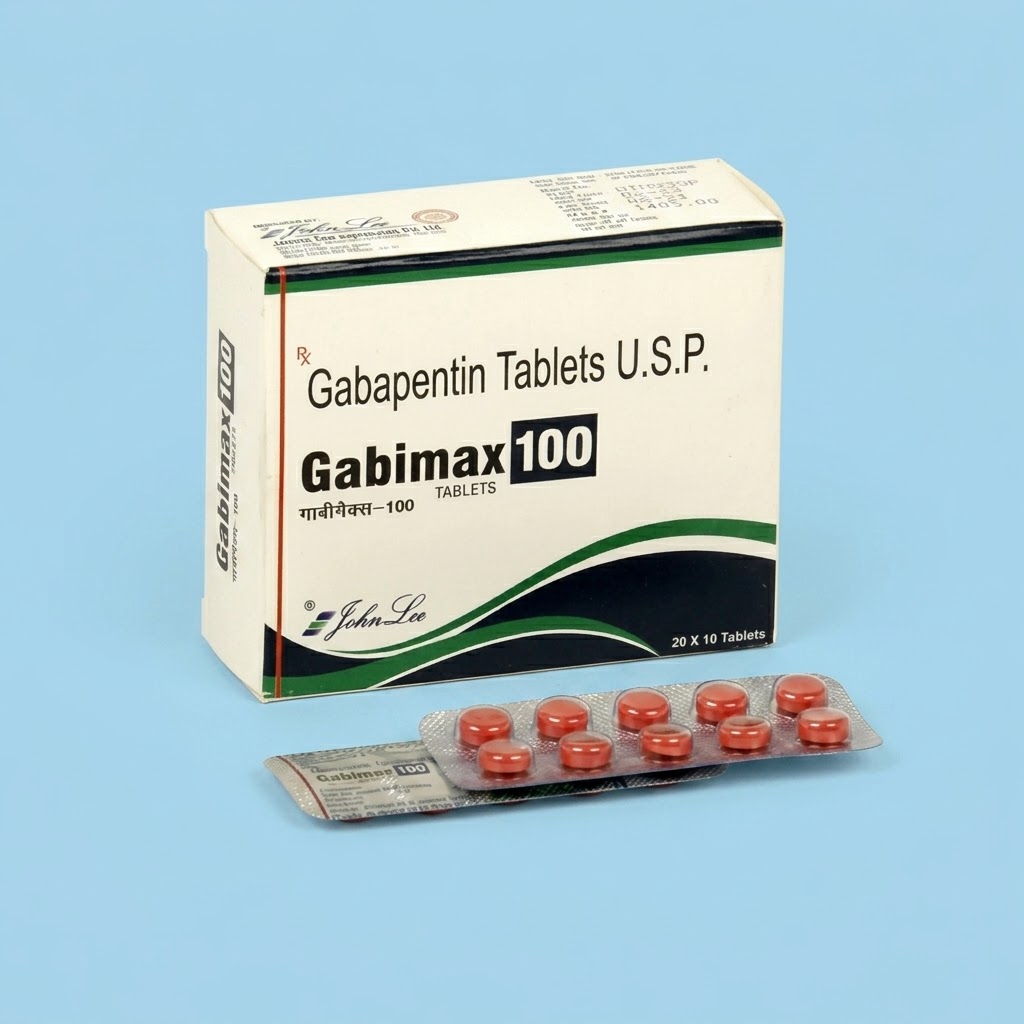
Buy Gabapentin 100mg Online
Price range: $249.00 through $599.00
- 📦 Secure blister packaging for safe and discreet delivery
- 🚚 Fast US-to-US shipping available
- ⏱️ 24-hour tracking updates for all orders
- 🌙 Overnight delivery option available in selected areas
- ⭐ 100% guaranteed quality, or get your refund
Gabapentin 100mg is a prescription medication commonly used to treat nerve-related conditions, including neuropathic pain and certain types of seizures. It belongs to a class of drugs known as anticonvulsants, but it is also widely prescribed for its effectiveness in managing nerve pain caused by conditions such as diabetes, shingles, and spinal cord injuries. This medication works by stabilizing nerve activity in the brain and reducing abnormal signals that may lead to pain or seizures.
What is Gabapentin 100mg?
Gabapentin 100mg is a low-strength formulation that is often used as a starting dose or for gradual dose adjustment based on individual patient needs. It is typically prescribed to patients who require careful titration to minimize side effects while achieving effective symptom control. The medication is widely used in both neurological and pain management settings and is considered an important option for treating chronic nerve-related conditions.
How Gabapentin Works
Gabapentin works by affecting the way nerves send messages to the brain. It binds to specific calcium channels in the nervous system, reducing the release of excitatory neurotransmitters that are responsible for pain signals and seizure activity. By calming overactive nerve responses, Gabapentin helps reduce discomfort, improve nerve stability, and prevent abnormal electrical activity in the brain.
Uses of Gabapentin 100mg
Gabapentin 100mg is prescribed for a variety of medical conditions, including neuropathic pain caused by diabetes or nerve damage, postherpetic neuralgia following shingles, partial seizures in epilepsy, fibromyalgia in some cases, and other nerve-related disorders. It may also be used off-label for conditions such as anxiety or restless leg syndrome, depending on a healthcare provider’s recommendation.
Recommended Dosage and Administration
The dosage of Gabapentin 100mg depends on the patient’s condition, response to treatment, and medical history. Treatment often begins with a low dose, such as 100mg, which may be gradually increased over time to achieve the desired therapeutic effect. It is usually taken one to three times daily as directed by a healthcare provider. Patients should follow their prescribed schedule carefully and should not stop taking the medication suddenly, as this may lead to withdrawal symptoms or worsening of the condition.
How to Use Properly
Gabapentin 100mg should be taken orally with a full glass of water and may be taken with or without food. Consistency in timing is important to maintain stable levels of the medication in the body. Patients should avoid missing doses and should not double up if a dose is missed. Any changes to the dosage or schedule should only be made under medical supervision.
Storage Instructions
The medication should be stored at room temperature, typically between 20°C and 25°C, in a dry place away from direct sunlight and moisture. It should be kept in its original packaging and stored securely out of reach of children and pets. Proper storage ensures the effectiveness and safety of the medication throughout its shelf life.
Available Strengths and Packaging Information
Gabapentin is available in a range of strengths to accommodate different treatment needs, including 100mg, 300mg, 400mg, 600mg, and 800mg formulations. Packaging may include blister packs or pharmacy-labeled containers, depending on the manufacturer and dispensing practices. The 100mg strength is often used for initial therapy or dose adjustments.
Possible Side Effects
Common side effects of Gabapentin 100mg may include dizziness, drowsiness, fatigue, coordination problems, and mild swelling in the hands or feet. Some patients may also experience blurred vision or weight gain. Serious side effects are less common but may include mood changes, severe drowsiness, difficulty breathing, or allergic reactions. Any unusual or severe symptoms should be reported to a healthcare provider immediately.
Safety Warnings and Precautions
Gabapentin should be used with caution in patients with kidney problems, as dosage adjustments may be necessary. It may cause drowsiness or dizziness, so patients should avoid driving or operating heavy machinery until they understand how the medication affects them. Alcohol and other sedatives should be avoided, as they can increase side effects. Pregnant or breastfeeding individuals should consult their healthcare provider before using this medication.
Shipping and Handling Information
In a licensed pharmacy setting, Gabapentin dispensing typically involves prescription verification and compliance with local regulations. Medications are packaged securely to ensure safety and privacy during transit, and delivery timelines may vary depending on location and pharmacy policies. Tracking information is usually provided once the order is processed and dispatched.
Return and Refund Policy
Due to safety and regulatory considerations, prescription medications like Gabapentin are generally non-returnable once dispensed. However, if a product is received damaged or incorrect, customers may be eligible for a replacement or refund according to the pharmacy’s policy. Orders may be canceled prior to dispatch if applicable.
buy gabapentin online , order gabapentin online , gabapentin online buy , gabapentin purchase online , price of gabapentin ,
How does Gabapentin 100mg work?
Gabapentin works by affecting the way nerves send signals in the brain and nervous system. It reduces abnormal electrical activity and calms overactive nerve responses, which helps decrease pain and prevent seizures.
What is the usual dosage of Gabapentin 100mg?
Gabapentin 100mg is often used as a starting dose or for gradual dose adjustment. The exact dosage depends on the patient’s condition and response to treatment, and it may be increased over time under medical supervision.
How should Gabapentin 100mg be taken?
It should be taken orally with a full glass of water, with or without food. It is important to take it at the same time each day to maintain consistent levels in the body and follow the prescribed schedule carefully.
How long does Gabapentin take to work?
Some patients may begin to notice improvement within a few days, but it may take several weeks of consistent use to experience the full therapeutic benefits.
What are the common side effects of Gabapentin?
Common side effects include dizziness, drowsiness, fatigue, coordination problems, and mild swelling in the hands or feet. These effects are usually mild and may decrease as the body adjusts to the medication.
Are there any serious side effects?
Serious side effects are rare but may include severe drowsiness, breathing difficulties, mood changes, or allergic reactions. Immediate medical attention should be sought if any severe symptoms occur.
Can Gabapentin 100mg be taken daily?
Yes, Gabapentin is typically taken daily as prescribed by a healthcare provider, often in divided doses depending on the condition being treated.
Can I stop taking Gabapentin suddenly?
No, stopping Gabapentin abruptly may cause withdrawal symptoms or worsen the condition. It should be discontinued gradually under the guidance of a healthcare professional.
Can Gabapentin be taken with other medications?
Gabapentin may interact with certain medications, especially those that cause drowsiness. Patients should inform their healthcare provider about all medications they are taking before starting Gabapentin.
Is Gabapentin addictive?
Gabapentin is not classified as a traditional opioid, but there is still a potential for misuse in some cases. It should always be used exactly as prescribed.
Can I drink alcohol while taking Gabapentin?
Alcohol should be avoided, as it can increase side effects such as dizziness, drowsiness, and impaired coordination.
How should Gabapentin 100mg be stored?
It should be stored at room temperature, away from moisture, heat, and direct sunlight, and kept out of reach of children and pets.
When should I seek medical help?
Medical attention should be sought immediately if symptoms such as severe dizziness, breathing problems, allergic reactions, or unusual mood changes occur.
| Blister Pack | 180 Pills, 360 Pills, 60 Pills, 90 Pills |
|---|
Related products

Buy Lyrica Online

Buy Tapentadol Online